Key points
- Three symptom patterns cover most failures: low boost without a code, overboost with a derate, and intermittent rattle or whistle.
- Start diagnosis with the hand test — disconnect the linkage and move the arm through its full travel.
- Replace the actuator alone only if there is no shaft play and no oil passage.
- Never keep driving through repeated overboost derates — the damage will not stay confined to the turbo.
What a Wastegate Actuator Does
The wastegate is a valve that bypasses exhaust gas around the turbine wheel. When boost pressure reaches the target, the valve opens and diverts exhaust away from the turbine, holding boost at the level the ECU has asked for.
The actuator is what moves that valve. On older units it is a pneumatic canister: a spring holds the valve closed, and boost pressure fed from the compressor housing pushes a diaphragm to open it. On more recent engines it is an electronic actuator driven directly by the ECU.
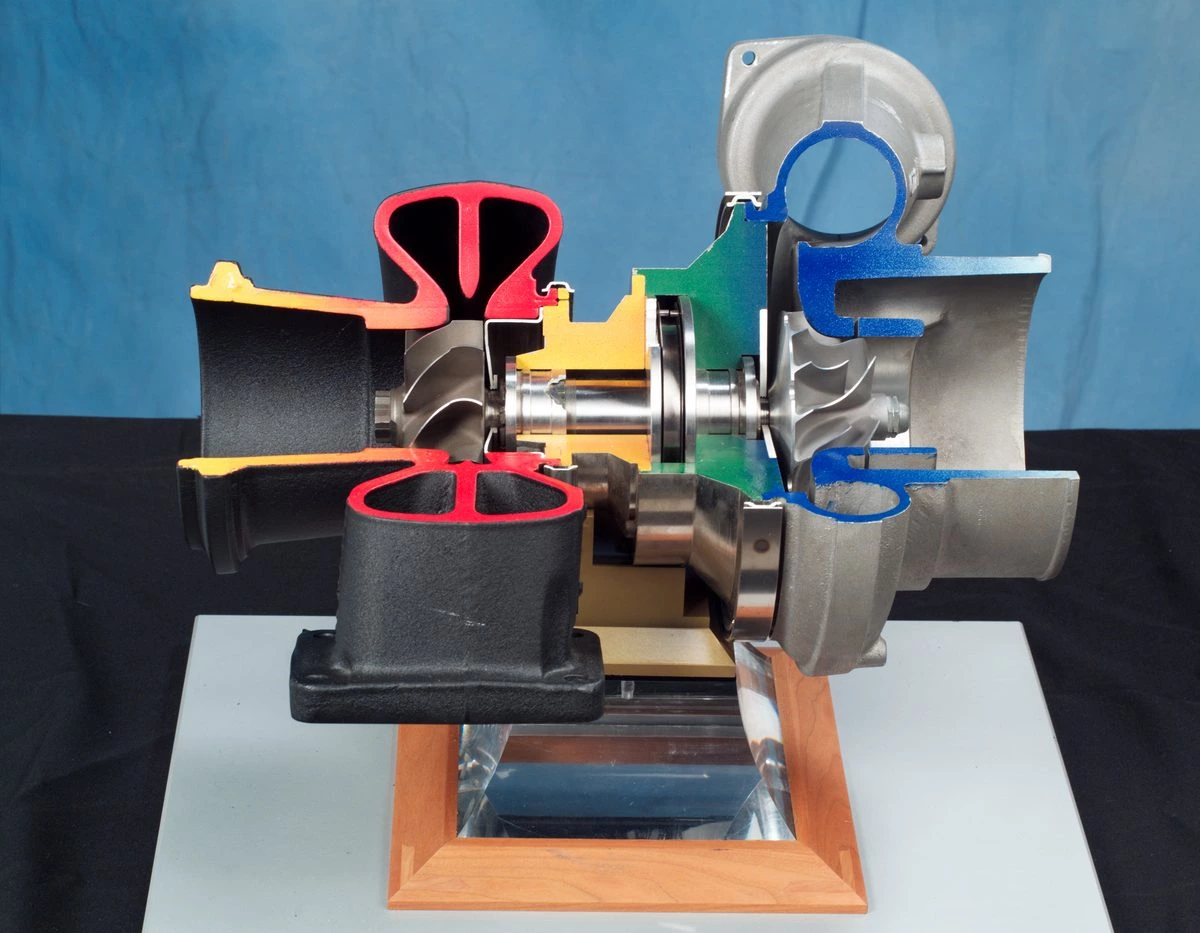
Either way, the failure modes are similar. The valve stops moving when it should — either staying shut, staying open, or sticking somewhere in between.
Symptom 1 — Loss of Boost Under Load
The valve is stuck open, or opening earlier than commanded. Exhaust bypasses the turbine, so the turbocharger never spins up to speed.
What it feels like:
- Noticeable power loss when climbing or accelerating loaded
- Boost gauge reads low, or climbs more slowly than it used to
- Black smoke under load, because fuel is going in without matching air
- Often no fault code — the ECU sees boost below target but within the range it tolerates before derating
Because there is often no code, this failure is frequently misdiagnosed as a fuel problem. Confirm boost pressure against the specification before touching the injection system.
Symptom 2 — Overboost and Limp Mode
The opposite condition: the valve will not open, so boost climbs past the target. The ECU protects the engine by cutting fuel and dropping into limp mode.
What it feels like:
- A sudden loss of power after a period of hard acceleration — the derate event
- Overboost or boost-pressure-too-high fault codes stored
- Power returns after a restart, then drops again under the same conditions
On a pneumatic actuator, this usually means a seized valve arm, a ruptured diaphragm that will not release, or a stuck linkage. On an electronic unit it commonly points at a position-sensor fault — the actuator no longer knows where the valve actually is.
Symptom 3 — Rattle, Whistle or Sticking
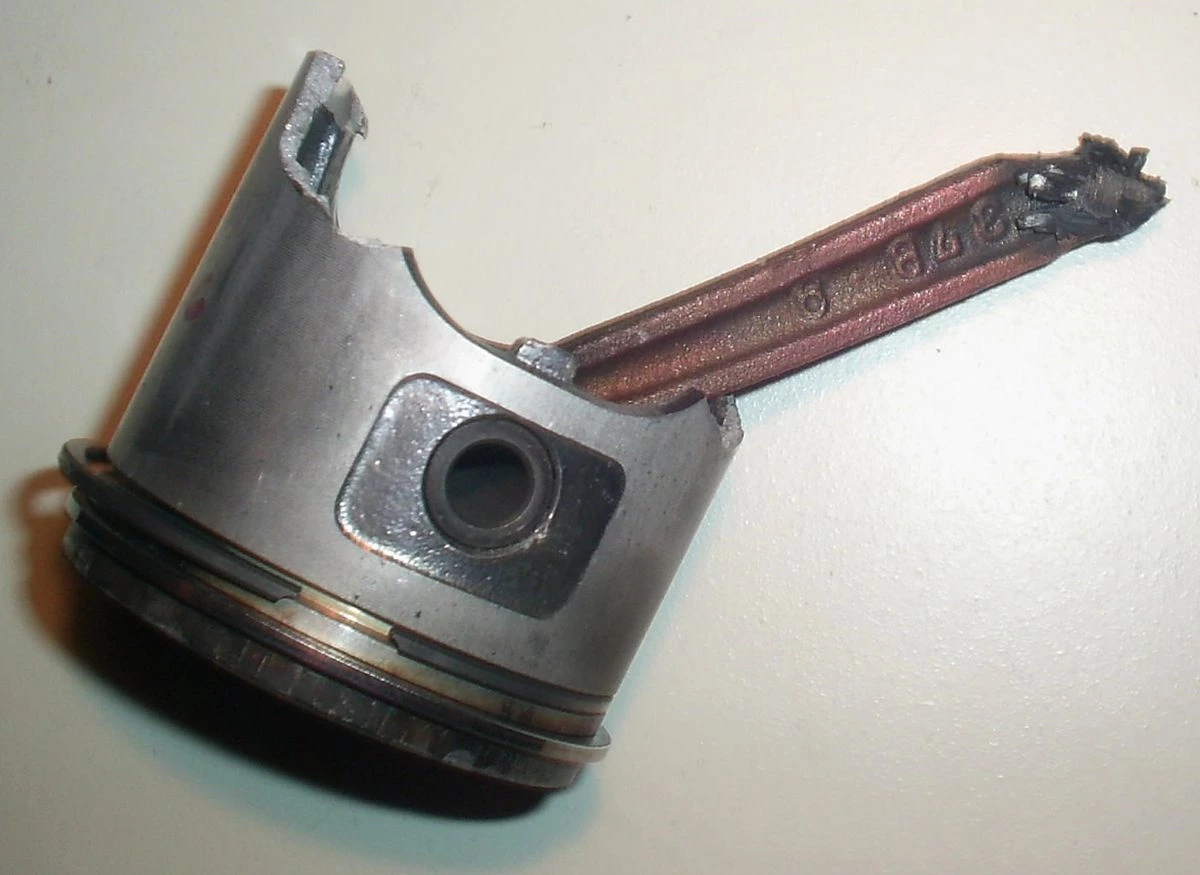
Mechanical wear rather than a control failure. The valve arm bushings wear, the linkage develops play, or carbon build-up makes the valve stick at certain positions.
What it sounds like:
- A rattle on light throttle openings, or on overrun
- A whistle that appears and disappears rather than scaling with engine speed
- Intermittent faults with no consistent pattern — the valve sticks, then frees itself
Intermittent symptoms are the hardest to diagnose and the easiest to ignore. They also tend to progress: a valve that sticks occasionally will eventually stick permanently, and it usually does so at the worst moment.
Matching Symptom to Cause
| Symptom | Most likely cause | How to confirm |
|---|---|---|
| Low boost, no code | Valve stuck open, or diaphragm leaking | Apply regulated pressure to the actuator port and watch whether the arm moves, and at what pressure |
| Overboost and derate | Valve seized shut, or position sensor fault | Command the actuator with a scan tool and observe actual versus requested position |
| Rattle or intermittent whistle | Worn bushings, linkage play, carbon build-up | Move the arm by hand — it should travel freely through its full range with no binding |
| No movement at all | Failed diaphragm, seized arm, or dead actuator motor | Disconnect the linkage and test the actuator independently of the valve |
The hand test is the fastest starting point and requires nothing but a spanner. Disconnect the linkage and move the wastegate arm through its full travel. If it binds or feels gritty, the valve itself is the problem, not the actuator.
Replace the Actuator or the Whole Turbocharger?
Replacing the actuator alone is significantly cheaper, and on a healthy turbocharger it is the right call. It is the wrong call in three situations:
- Shaft play. Grab the compressor wheel nut and check for axial and radial movement. Any perceptible play means the bearings are worn, and a new actuator will not fix the underlying problem.
- Oil in the compressor or turbine housing. Indicates seal failure. The unit needs rebuilding or replacing regardless of the actuator.
- Repeated actuator failures. If the second actuator fails the same way, something is causing it — usually a sticking valve arm that is overloading the actuator.
If the turbocharger passes those checks, replacing the actuator and resetting the adaptation values is the economical repair. If it fails any of them, replacing the complete unit — or fitting a CHRA cartridge if the housings are sound — will cost less over the next year than patching the existing one.
The Short Version
Low boost without a code, overboost with a derate, or an intermittent rattle — those three patterns cover most actuator failures. Confirm with the hand test first, then a regulated pressure test or a scan tool. Replace the actuator on a sound turbocharger; replace the unit when there is shaft play or oil passage.
Common questions
How do I test a wastegate actuator?
Start with the hand test: disconnect the linkage and move the wastegate arm through its full travel. It should move freely with no binding. If it does, apply regulated pressure to the actuator port and watch whether the arm moves, and at what pressure. On an electronic actuator, command it with a scan tool and compare actual against requested position.
What are the symptoms of a failing wastegate actuator?
Three patterns cover most failures: low boost under load with no fault code (valve stuck open), overboost followed by a derate into limp mode (valve stuck shut or position sensor fault), and an intermittent rattle or whistle (worn bushings or carbon build-up).
Can I replace just the actuator instead of the whole turbocharger?
Yes, if the turbocharger itself is sound — check for shaft play at the compressor wheel nut and for oil in the compressor or turbine housing. If there is perceptible play or oil passage, the unit needs rebuilding or replacing regardless of the actuator. Repeated actuator failures usually mean a sticking valve arm is overloading it.
Is it safe to keep driving with an overboost fault?
No. Sustained overboost raises cylinder pressures and exhaust gas temperatures beyond design limits. The failure it eventually causes will not be limited to the turbocharger.
Related
- Turbochargers — complete units, CHRA cartridges, actuators and repair kits for Cummins, CAT, Volvo, Komatsu and Isuzu engines
About this guide. Written by the Komotashi technical team from turbocharger supply and remanufacturing work across Cummins, Caterpillar, Volvo, Komatsu, Isuzu, Yanmar and Kubota platforms. Boost specifications and adaptation procedures vary by engine — always confirm against the service documentation for the unit you are working on.